
Dr. Aarthi Reddy has over 15 years of diversified and enriching experience as a Physical Therapist with a specialization in Geriatric Rehabilitation.
Click on the below mentioned tabs to know more about the services.
Back Pain
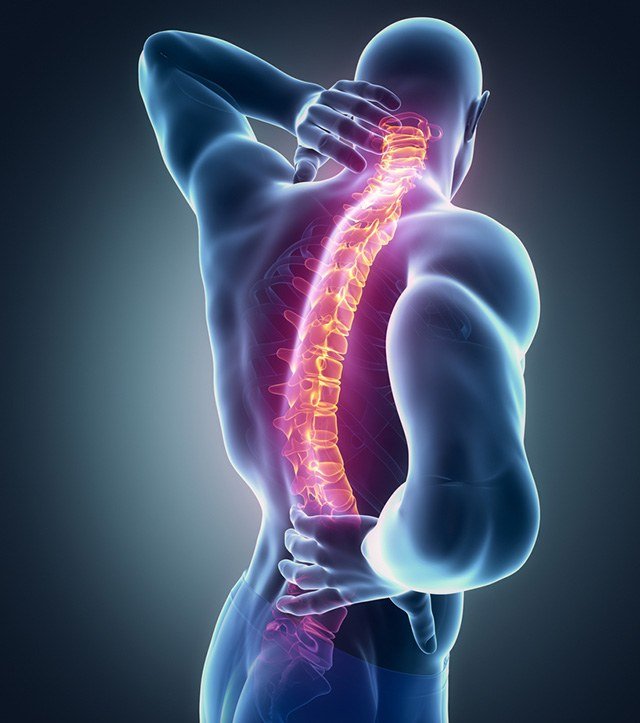
Back pain is often a common symptom of many disease conditions and the back pain may range from simple or dull pain to sudden and sharp pain. If the pain persists for few days, it is acute pain whereas if continues for more than 3 months, it is considered as chronic pain. In most cases, back pain may resolve without any treatment however if persists for more than 3 days, medical intervention is necessary.
Dry Needling
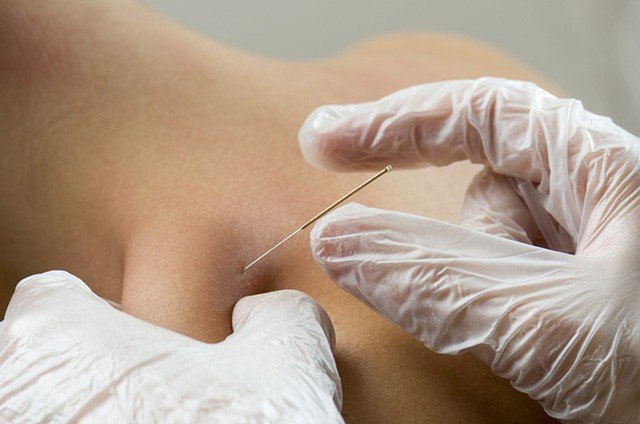
Dry Needling is a procedure in which thin, solid needle filaments are inserted into the painful areas of muscles or tissues of the body. The needles penetrate through the skin into the sensitive myofascial trigger points (irritable hard knots within the muscle) and stimulate the underlying injured muscles to relieve pain.
Balance & Mobility Assessment
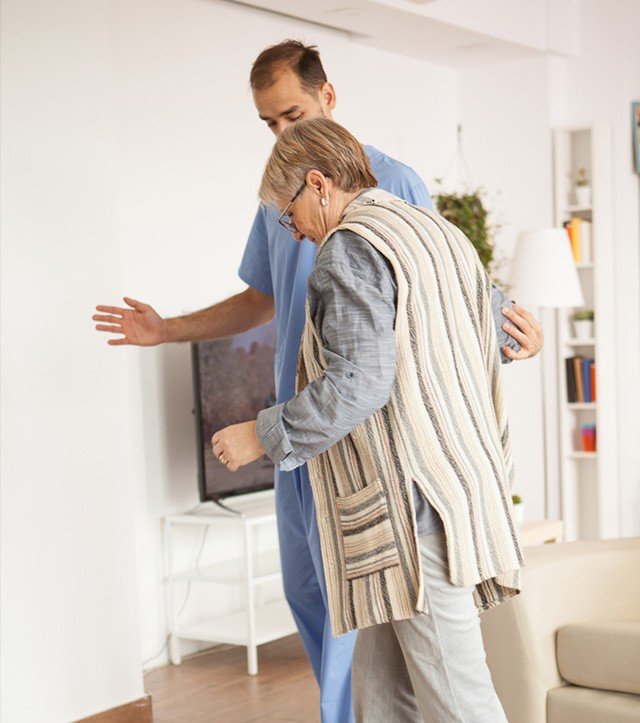
Both balance and mobility are particularly important as we enter our older stages of life. Falls become common in older adults and can lead to complications such as fractures. Our Physios can help to minimise the risk of falling by identifying the cause of poor balance and beginning exercise and training regimes to counter the deficiencies.
Electrotherapy
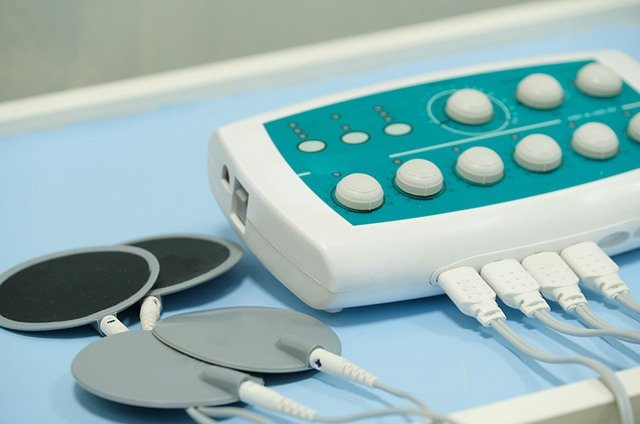
Electrotherapy uses electrical signals to interfere with the transmission of neural pain signals into the brain. It effectively slows down or distracts the message from the nerve to the brain. From a physiotherapy point of view, affecting one’s ‘Pain Gate’, whether in an acute or chronic pain episode, is crucial area of treatment and electrotherapy is a very useful resource where conventional medicines are not as affective.
Physical Ergonomics

Physical ergonomics is about the human body's responses to physical and physiological work demands.Repetitive strain injuries from repetition, vibration, force, and posture are the most common types of issues, and thus have design implications.
Exercise Physiology
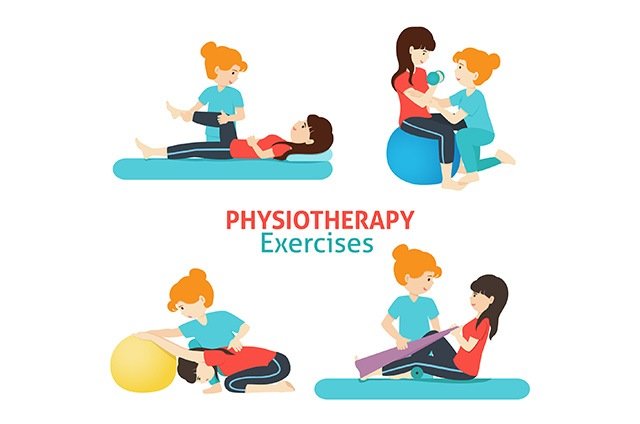
Exercise physiology is the study of the acute responses and chronic adaptations to physical exercise. In a nutsheel, Exercise Physiology is the practise of using exercise as medicine.
Ice & Heat Therapy
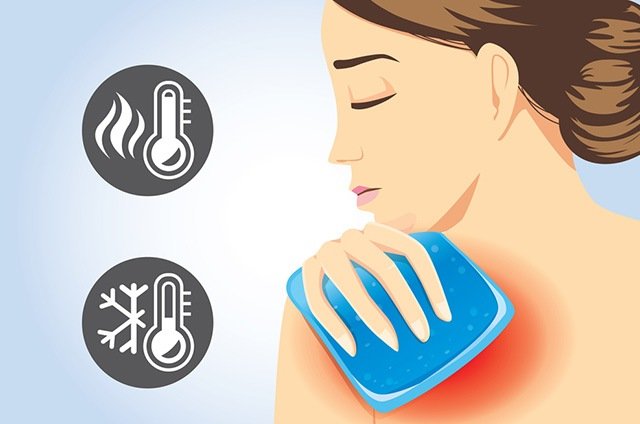
Ice therapy (cryotherapy) is the use of ice in the treatment of acute and chronic injuries. The application of ice is an important step in the RICE (Rest, Ice, Compression, Elevation) protocol following acute injuries. Ice is the recommended treatment modality immediately after an injury for its ability to reduce inflammation and swelling in the affected area and for its pain relieving properties.
Manipulation & Mobilisation
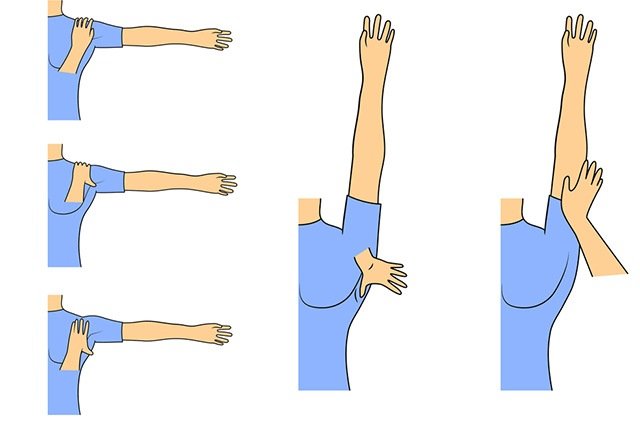
Manipulation & Mobilisation are used by Physios to improve the mobility and the function of your soft tissues, joints, muscles, tendons and ligaments. Manipulation is usually performed as a very fast movement on the neck and back area to provide pain relief and increase flexibility. Whereas mobilisation is a slower technique performed on joints ligaments or muscle, also used for pain reduction and flexibility improvement.
Musculoskeletal Injury Treatment
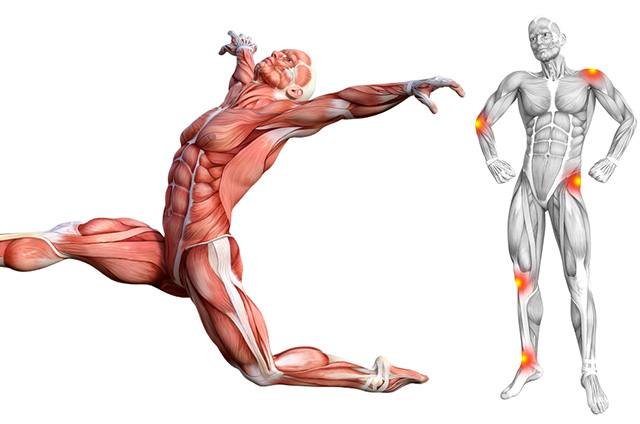
The musculoskeletal system provides form, support, stability, and movement to the body. It is made up of the bones of the skeleton, muscles, cartilage, tendons, ligaments, joints, and other connective tissue that supports and binds tissues and organs together.
Post Op Rehabilitation
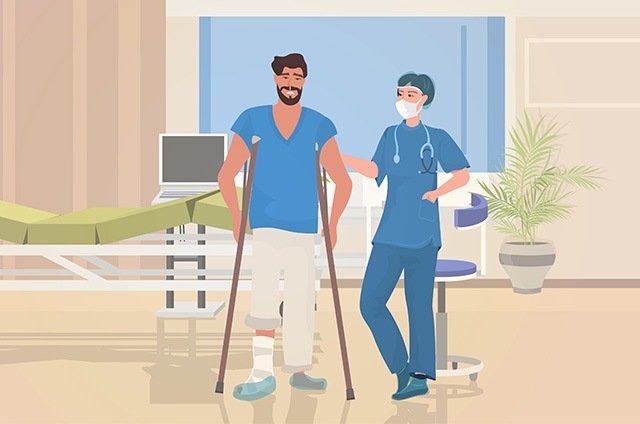
Rehabilitation is the post-surgical program of re-establishing joint motion, muscle strength around the joint and finally joint function. It is very important to understand that rehabilitation is a long process. While the surgery is performed within hours, the rehabilitation needs many months, potentially up to a year.
Rehabilitation Programme
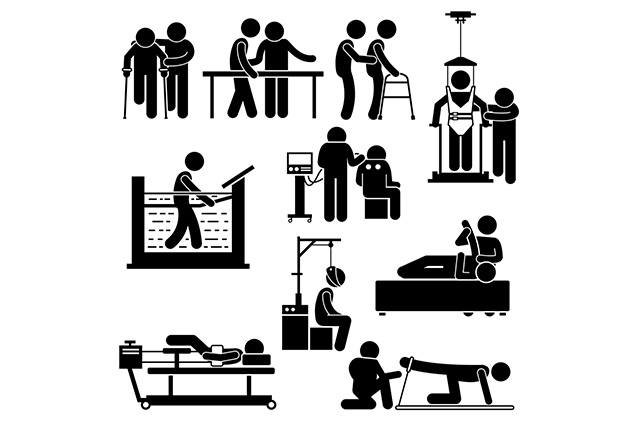
Our rehabilitation programmes are provided to enable people to regain (partial or full) independence in everyday activities. The multidisciplinary team will address physical, cognitive (thinking), perceptual, communication and psychosocial (mood and social) performance in order to optimise independence and quality of life.
Sports Injuries
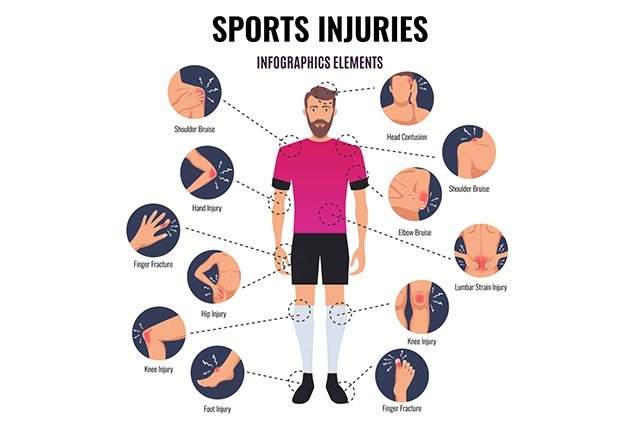
Sports injuries occur when playing indoor or outdoor sports or while exercising. Sports injuries can result from accidents, inadequate training, improper use of protective devices, or insufficient stretching or warm-up exercises. The most common sports injuries are sprains and strains, fractures, and dislocations.